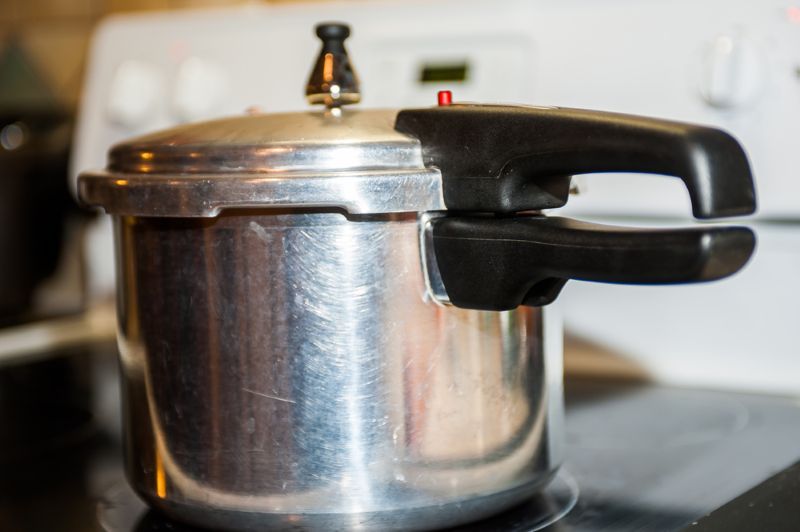
A pressure cooker warranty may expire long before the appliance reaches the end of its useful life. If the cooker later malfunctions and causes serious burns or other injuries, consumers may wonder whether the expired warranty prevents them from holding the manufacturer responsible.
An expired warranty does not automatically eliminate the possibility of a product liability claim. For people injured by defective pressure cookers in Denver and elsewhere in Colorado, the more important questions generally involve why the cooker failed, whether it was defective, and whether that defect caused the injuries.
Is a Product Warranty the Same as a Product Liability Claim?
No. A manufacturer's warranty and a product liability claim are not the same thing.
A warranty typically establishes certain promises concerning a product and may provide remedies if the appliance develops covered problems during a specified period. Depending on its terms, a warranty might allow a consumer to seek a repair, replacement, or refund.
A product liability claim focuses on injuries caused by an allegedly defective or dangerous product.
This distinction can be critical after a Denver pressure cooker explosion. A manufacturer might no longer have an obligation to replace an older cooker under its warranty, but that does not necessarily determine whether the company can be held legally responsible if a defect causes severe injuries.
Can You Sue After the Pressure Cooker's Warranty Has Expired?
Potentially, yes.
The expiration date printed on a warranty does not necessarily determine the deadline for pursuing an injury claim. Product liability cases are governed by applicable laws and filing deadlines, not simply by the length of the manufacturer's written warranty.
For example, imagine someone in Denver purchases a pressure cooker with a one-year warranty. The appliance continues working normally for several years before its lid-locking mechanism allegedly fails and releases pressurized, scalding contents.
The fact that the one-year warranty expired does not, by itself, answer whether the injured person has a viable product liability case.
Our Colorado pressure cooker attorneys can investigate how an appliance failed and determine what legal options may be available after a serious injury.
What Could Make a Pressure Cooker Defective?
Pressure cookers rely on multiple components to control heat, steam, and internal pressure. When an important safety feature fails, a user may be exposed to extremely hot steam, liquid, and food.
Potential problems may involve:
- Defective lid-locking mechanisms
- Faulty pressure-release valves
- Malfunctioning pressure indicators
- Defective seals or gaskets
- Problems with electronic sensors
- Unsafe designs
- Manufacturing errors
- Inadequate safety warnings or instructions
The precise cause of a Denver pressure cooker accident may not be obvious immediately after the incident.
A consumer may simply know that the lid opened unexpectedly, the contents erupted from the cooker, or another malfunction occurred during use. Determining why it happened may require examining the appliance and its individual components.
Does the Age of the Pressure Cooker Matter?
The age of an appliance can be relevant, but an older pressure cooker is not automatically considered safe or defective simply because of how long it has been used.
Manufacturers and their insurers may investigate whether normal wear, improper maintenance, modifications, damaged components, or misuse contributed to the incident.
That makes preserving the appliance especially important.
If someone in Denver has used a pressure cooker safely for several years before a sudden malfunction, investigators may need to determine whether the failure resulted from an original defect, deterioration, maintenance issues, or another cause.
The warranty's expiration is only one fact among many.
What if the Manufacturer Claims You Misused the Pressure Cooker?
Manufacturers may argue that the consumer caused or contributed to the accident.
Possible allegations could include:
- Overfilling the cooker
- Failing to clean a valve
- Using incompatible replacement parts
- Opening the lid incorrectly
- Ignoring safety instructions
- Altering the appliance
- Continuing to use a visibly damaged cooker
These allegations should be evaluated against the evidence.
An injured consumer should not automatically accept a manufacturer's explanation for the incident, particularly before the appliance has been independently examined.
Instructions, warnings, product design, maintenance history, and the physical condition of the cooker can all become relevant when determining why an explosion occurred.
Why Should You Keep the Pressure Cooker After an Explosion?
The cooker itself may be one of the most important pieces of evidence in a product liability case.
After a frightening kitchen accident, throwing away the damaged appliance may seem reasonable. A manufacturer might also offer a refund, replacement, or recall remedy that requires the consumer to return the cooker.
Someone who has suffered a serious injury should consider obtaining legal advice before surrendering, repairing, altering, or discarding the appliance.
Whenever possible, preserve:
- The pressure cooker
- The lid
- The inner pot
- Valves and gaskets
- Detachable components
- The power cord
- Packaging
- Instruction manuals
- Receipts or order confirmations
- Model and serial number information
Photographs and video of the Denver accident scene may also help document what happened before the area is cleaned.
What if You No Longer Have the Original Receipt?
A missing receipt does not necessarily make it impossible to investigate a pressure cooker injury.
Other records may help identify when and where the appliance was purchased.
Potential evidence includes:
- Online shopping histories
- Credit card statements
- Retailer accounts
- Warranty registrations
- Email confirmations
- Photographs showing the cooker
- Packaging and manuals
- Model and serial numbers
This can be particularly important when an older pressure cooker is involved because the original paperwork may have disappeared years before the accident.
Identifying the exact model can also help determine whether similar incidents, safety complaints, or recalls have been reported.
Does a Recall Affect a Pressure Cooker Lawsuit?
A recall may be relevant, but a pressure cooker does not necessarily have to be recalled for an injured consumer to investigate a product liability claim.
Recalls can provide information about known safety concerns involving particular models. They may identify problems involving lid locks, pressure release systems, incorrect markings, or other components.
However, the absence of a recall does not automatically establish that a product was free from defects.
A Denver pressure cooker injury investigation can include reviewing the product's design, manufacturing history, reported incidents, safety notices, and available recall information.
The focus remains on what caused the specific appliance to fail and whether that failure resulted in injury.
What Injuries Can a Pressure Cooker Explosion Cause?
Pressure cooker accidents can expose users and nearby family members to hot steam and scalding contents.
Potential injuries include:
- Second- and third-degree burns
- Facial burns
- Eye injuries
- Scarring and disfigurement
- Hand and arm injuries
- Nerve damage
- Infections
- Psychological trauma
- Other serious injuries
Severe burn injuries may require hospitalization, wound care, skin grafting, reconstructive procedures, and extended rehabilitation.
For a person injured in Denver, the financial effects may continue well beyond the initial emergency treatment. Lost income and future medical needs can also become significant components of a product liability claim.
How Long Do You Have to File a Pressure Cooker Injury Claim?
The deadline for filing a lawsuit should not be confused with the expiration of a product warranty.
Colorado law establishes time limits for product liability and personal injury claims. Which deadline applies and when it begins to run can depend on the specific facts and legal claims involved.
Waiting can create another problem even before a formal deadline arrives: evidence can disappear.
The cooker may be discarded, electronic purchase records may become harder to locate, witnesses may forget details, and important documents can be lost.
People injured by pressure cookers in Denver should therefore consider investigating their legal options promptly rather than relying on the warranty date to determine whether they still have a case.
What Should You Do After a Pressure Cooker Explosion?
Medical treatment should be the immediate priority after a serious burn or other injury.
Once the immediate danger has passed, preserving evidence can help protect a potential claim.
Consider taking these steps:
- Keep the pressure cooker and all components.
- Do not attempt to repair the appliance.
- Photograph the cooker and accident scene.
- Preserve packaging and instructions.
- Save purchase and warranty information.
- Document the model and serial numbers.
- Keep copies of medical records and bills.
- Preserve communications with the manufacturer or retailer.
- Avoid returning the cooker before understanding how doing so could affect potential evidence.
A product liability attorney can then evaluate the incident and determine whether additional investigation is appropriate.
Speak With a Denver Pressure Cooker Attorney
If you are dealing with injuries from a pressure cooker explosion in Denver, our attorneys are here to help. McLaughlin Law Firm can investigate whether a product defect contributed to the incident, preserve critical evidence, and help you understand your options even if the manufacturer's warranty has already expired.
Call us today at (720) 420-9800 or connect with us online to schedule a free consultation.