A pressure cooker warranty may expire long before the appliance reaches the end of its useful life. If the cooker later malfunctions and causes serious burns or other injuries, consumers may wonder whether the expired warranty prevents them from holding the manufacturer responsible.
An expired warranty does not automatically eliminate the possibility of a product liability claim. For people injured by defective pressure cookers in Denver and elsewhere in Colorado, the more important questions generally involve why the cooker failed, whether it was defective, and whether that defect caused the injuries.
No. A manufacturer's warranty and a product liability claim are not the same thing.
A warranty typically establishes certain promises concerning a product and may provide remedies if the appliance develops covered problems during a specified period. Depending on its terms, a warranty might allow a consumer to seek a repair, replacement, or refund.
A product liability claim focuses on injuries caused by an allegedly defective or dangerous product.
This distinction can be critical after a Denver pressure cooker explosion. A manufacturer might no longer have an obligation to replace an older cooker under its warranty, but that does not necessarily determine whether the company can be held legally responsible if a defect causes severe injuries.
Potentially, yes.
The expiration date printed on a warranty does not necessarily determine the deadline for pursuing an injury claim. Product liability cases are governed by applicable laws and filing deadlines, not simply by the length of the manufacturer's written warranty.
For example, imagine someone in Denver purchases a pressure cooker with a one-year warranty. The appliance continues working normally for several years before its lid-locking mechanism allegedly fails and releases pressurized, scalding contents.
The fact that the one-year warranty expired does not, by itself, answer whether the injured person has a viable product liability case.
Our Colorado pressure cooker attorneys can investigate how an appliance failed and determine what legal options may be available after a serious injury.
Pressure cookers rely on multiple components to control heat, steam, and internal pressure. When an important safety feature fails, a user may be exposed to extremely hot steam, liquid, and food.
Potential problems may involve:
The precise cause of a Denver pressure cooker accident may not be obvious immediately after the incident.
A consumer may simply know that the lid opened unexpectedly, the contents erupted from the cooker, or another malfunction occurred during use. Determining why it happened may require examining the appliance and its individual components.
The age of an appliance can be relevant, but an older pressure cooker is not automatically considered safe or defective simply because of how long it has been used.
Manufacturers and their insurers may investigate whether normal wear, improper maintenance, modifications, damaged components, or misuse contributed to the incident.
That makes preserving the appliance especially important.
If someone in Denver has used a pressure cooker safely for several years before a sudden malfunction, investigators may need to determine whether the failure resulted from an original defect, deterioration, maintenance issues, or another cause.
The warranty's expiration is only one fact among many.
Manufacturers may argue that the consumer caused or contributed to the accident.
Possible allegations could include:
These allegations should be evaluated against the evidence.
An injured consumer should not automatically accept a manufacturer's explanation for the incident, particularly before the appliance has been independently examined.
Instructions, warnings, product design, maintenance history, and the physical condition of the cooker can all become relevant when determining why an explosion occurred.
The cooker itself may be one of the most important pieces of evidence in a product liability case.
After a frightening kitchen accident, throwing away the damaged appliance may seem reasonable. A manufacturer might also offer a refund, replacement, or recall remedy that requires the consumer to return the cooker.
Someone who has suffered a serious injury should consider obtaining legal advice before surrendering, repairing, altering, or discarding the appliance.
Whenever possible, preserve:
Photographs and video of the Denver accident scene may also help document what happened before the area is cleaned.
A missing receipt does not necessarily make it impossible to investigate a pressure cooker injury.
Other records may help identify when and where the appliance was purchased.
Potential evidence includes:
This can be particularly important when an older pressure cooker is involved because the original paperwork may have disappeared years before the accident.
Identifying the exact model can also help determine whether similar incidents, safety complaints, or recalls have been reported.
A recall may be relevant, but a pressure cooker does not necessarily have to be recalled for an injured consumer to investigate a product liability claim.
Recalls can provide information about known safety concerns involving particular models. They may identify problems involving lid locks, pressure release systems, incorrect markings, or other components.
However, the absence of a recall does not automatically establish that a product was free from defects.
A Denver pressure cooker injury investigation can include reviewing the product's design, manufacturing history, reported incidents, safety notices, and available recall information.
The focus remains on what caused the specific appliance to fail and whether that failure resulted in injury.
Pressure cooker accidents can expose users and nearby family members to hot steam and scalding contents.
Potential injuries include:
Severe burn injuries may require hospitalization, wound care, skin grafting, reconstructive procedures, and extended rehabilitation.
For a person injured in Denver, the financial effects may continue well beyond the initial emergency treatment. Lost income and future medical needs can also become significant components of a product liability claim.
The deadline for filing a lawsuit should not be confused with the expiration of a product warranty.
Colorado law establishes time limits for product liability and personal injury claims. Which deadline applies and when it begins to run can depend on the specific facts and legal claims involved.
Waiting can create another problem even before a formal deadline arrives: evidence can disappear.
The cooker may be discarded, electronic purchase records may become harder to locate, witnesses may forget details, and important documents can be lost.
People injured by pressure cookers in Denver should therefore consider investigating their legal options promptly rather than relying on the warranty date to determine whether they still have a case.
Medical treatment should be the immediate priority after a serious burn or other injury.
Once the immediate danger has passed, preserving evidence can help protect a potential claim.
Consider taking these steps:
A product liability attorney can then evaluate the incident and determine whether additional investigation is appropriate.
If you are dealing with injuries from a pressure cooker explosion in Denver, our attorneys are here to help. McLaughlin Law Firm can investigate whether a product defect contributed to the incident, preserve critical evidence, and help you understand your options even if the manufacturer's warranty has already expired.
Call us today at (720) 420-9800 or connect with us online to schedule a free consultation.
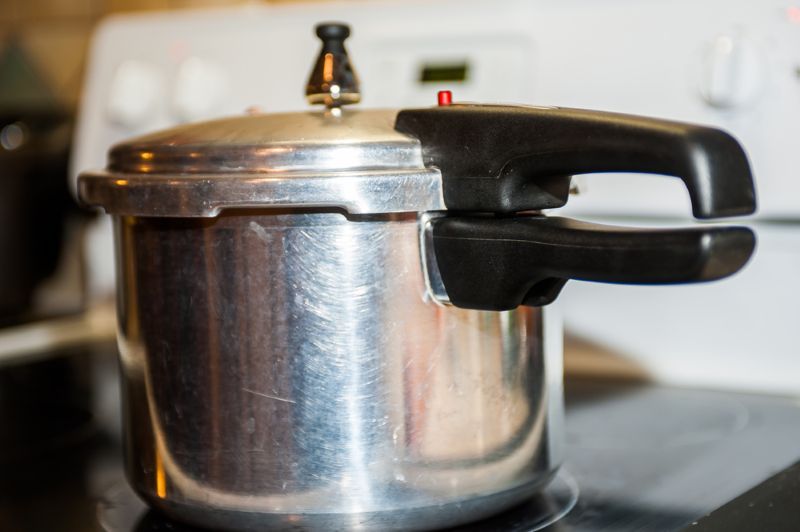
Pressure cookers are marketed as convenient kitchen appliances designed to save time and reduce effort. When they work properly, they can be helpful tools. When they fail, however, the results can be devastating. Exploding or malfunctioning pressure cookers have caused severe burns, permanent scarring, nerve damage, and other life-altering injuries to families across Colorado.
If you or a loved one has been injured by a pressure cooker, you may wonder whether hiring an attorney is necessary or if an insurance claim will be enough. Knowing when to seek legal help can make a significant difference in protecting your health, finances, and long-term recovery.
Pressure cooker accidents are not minor kitchen mishaps. These appliances operate under extreme heat and pressure, and when safety mechanisms fail, hot contents can be forcefully expelled without warning.
Common pressure cooker injuries include:
These injuries often require emergency care, hospitalization, surgery, and long-term rehabilitation. The physical pain is frequently accompanied by emotional trauma and financial stress.
Not every kitchen injury leads to a lawsuit, but many pressure cooker accidents involve product defects that place liability on manufacturers, designers, or distributors. You may have a valid legal claim if your injury occurred because the pressure cooker did not function as intended.
Situations that often justify legal action include:
If the injury occurred during normal use or while following the manufacturer’s instructions, it is especially important to speak with an attorney.
After a pressure cooker injury, you may initially deal with a homeowner’s insurance company or the manufacturer’s insurer. While insurance may cover some immediate medical expenses, these claims often fall short of addressing the full scope of harm.
Insurance companies may attempt to:
Once you accept a settlement, you usually give up the right to seek additional compensation later. An attorney can help evaluate whether an offer is fair or if pursuing a lawsuit is in your best interest.
Hiring an attorney early can be critical in pressure cooker injury cases. Evidence such as the appliance itself, packaging, instructions, and purchase records can be lost or discarded if action is delayed.
An attorney can help ensure that:
Waiting too long may limit your ability to build a strong case or recover full compensation.
Pressure cooker lawsuits often involve product liability claims. Depending on the circumstances, multiple parties may be held accountable.
Potentially liable parties include:
An experienced attorney can investigate where the failure occurred and pursue claims against all responsible parties.
Pressure cooker injuries often lead to significant losses that extend well beyond initial medical bills. A lawsuit may allow injured individuals and families to recover compensation for both economic and noneconomic damages.
Compensation may include:
In cases involving severe injuries or defective products, compensation can be substantial. Proper legal representation helps ensure that all damages are fully considered.
Families should strongly consider hiring an attorney if a pressure cooker injury has resulted in permanent damage, required surgery, or significantly disrupted daily life. Legal help is also important when a child or elderly family member is injured, as these cases often involve higher long-term care needs.
If a pressure cooker accident resulted in a fatal injury, surviving family members may also have legal options. These situations are emotionally difficult and legally complex, making experienced guidance especially important.
A lawyer experienced in pressure cooker cases can manage every aspect of the legal process while you focus on healing. This includes investigating the defect, working with experts, handling communications with manufacturers and insurers, and pursuing compensation through settlement or litigation.
Working with a pressure cooker injury lawyer also helps level the playing field against large corporations that have legal teams dedicated to minimizing claims.
McLaughlin Law Firm represents individuals and families throughout Denver and across Colorado who have been seriously injured by defective pressure cookers. We understand the physical, emotional, and financial toll these injuries can take.
Our firm is committed to holding manufacturers accountable and pursuing compensation that reflects the full impact of your injuries. We take the time to understand each client’s situation and provide clear guidance throughout the legal process.
If you or a loved one has been injured by a pressure cooker and are unsure whether you need an attorney, we encourage you to contact us to discuss your situation. We are here to help you understand your legal options and take the next step toward recovery.

Pressure cookers are powerful kitchen appliances that rely on heat and pressurized steam to function. When something goes wrong, the injuries can be severe, including deep burns, scalding, and permanent scarring. Manufacturers often point to warning labels and instruction manuals as a defense when these incidents occur. The question many injured consumers ask is whether those warnings are actually enough to shield companies from legal responsibility.
In Colorado, warning labels play an important role in product liability cases, but they are not a free pass for manufacturers. At McLaughlin Law Firm, we regularly see pressure cooker cases where warnings were vague, incomplete, poorly placed, or failed to address known dangers. When warnings do not adequately inform consumers of real risks, manufacturers may still be held liable for resulting injuries.
Under Colorado product liability law, manufacturers have a duty to provide clear and adequate warnings about the risks associated with their products. This duty applies when a product presents dangers that are not obvious to the average consumer. Pressure cookers involve high temperatures and internal pressure, which makes detailed and understandable warnings especially important.
A legally sufficient warning should explain the nature of the risk, how the injury can occur, and what steps the consumer must take to avoid harm. Simply including a long list of generic cautions in a manual may not meet this standard, particularly if the warnings fail to address known defects or predictable failures.
Many pressure cooker injury claims involve warnings that technically exist but fail to protect consumers in a meaningful way. A warning can be considered inadequate if it is buried in fine print, written in overly technical language, or placed where users are unlikely to see it during normal use.
Warnings may also be insufficient if they downplay the severity of the risk or fail to explain how quickly an accident can occur. Common shortcomings found in pressure cooker cases include:
When warnings do not clearly communicate these dangers, manufacturers may still be held responsible for injuries.

In Colorado, inadequate warnings are treated as a type of product defect. Even if a pressure cooker is properly designed and manufactured, it can still be considered unreasonably dangerous if it lacks sufficient warnings or instructions. These are known as failure-to-warn claims and are common in pressure cooker lawsuits.
Failure-to-warn cases often focus on what the manufacturer knew or should have known about the product’s risks. If internal testing, consumer complaints, or prior incidents revealed a hazard that was not properly disclosed, the company may be liable for failing to warn consumers adequately.
Manufacturers frequently argue that injuries occurred because the consumer did not follow instructions or misused the pressure cooker. While misuse can affect a claim, it does not automatically protect the manufacturer from liability. Colorado law recognizes that products must be safe for reasonably foreseeable use.
If a pressure cooker fails during normal operation, or if the instructions do not clearly explain how to avoid a known risk, the manufacturer may still be liable. Courts often examine whether the alleged misuse was truly unforeseeable or whether clearer warnings could have prevented the injury.
When determining whether a warning was adequate, courts consider several factors. These include the language used, the placement of the warning, the severity of the risk, and whether the warning realistically informed the consumer of the danger.
Some key questions courts may evaluate include:
If the answer to these questions raises concerns, warning labels alone may not protect a manufacturer from a lawsuit.
Failure-to-warn claims are often combined with allegations of design defects or manufacturing defects. For example, a pressure cooker may have a defective lid locking system, and the manufacturer may also have failed to warn users that the lid could disengage under pressure.
Our pressure cooker lawsuits examine all potential defect theories, including inadequate warnings. This comprehensive approach helps ensure that manufacturers are held accountable for every aspect of a dangerous product, not just its physical components.
Pressure cooker cases involving warning labels can be complex. Manufacturers often argue that consumers were adequately warned and assumed the risk. Countering these arguments requires a careful review of product manuals, labels, marketing materials, and internal company knowledge.
If you were injured by a pressure cooker in Colorado, McLaughlin Law Firm can help determine whether inadequate warnings played a role in your injuries. We understand how to evaluate warning labels and build strong product liability claims. Reach out to us today to discuss your case and learn how we can help you pursue compensation for your injuries.
Pressure cookers are marketed as safe, convenient kitchen appliances, but when they malfunction, the results can be catastrophic. Explosions, forceful lid ejections, and scalding contents can cause severe burns and other life-altering injuries. When these accidents occur, many injured consumers wonder who can be held legally responsible. In Colorado, pressure cooker injury cases are typically handled under product liability law, which focuses on defective or unreasonably dangerous products.
At McLaughlin Law Firm, we represent individuals across Colorado who have been seriously injured by defective pressure cookers. Determining liability is one of the most important steps in building a successful claim. Unlike typical accident cases, pressure cooker lawsuits often involve multiple potentially responsible parties, each of whom may share legal responsibility for the injuries caused.
The manufacturer is often the primary defendant in a pressure cooker explosion lawsuit. Under Colorado product liability law, manufacturers can be held responsible if a product is defectively designed, defectively manufactured, or sold without adequate warnings or instructions. Pressure cookers are expected to contain extreme heat and pressure safely, and when they fail to do so, it may indicate a defect.
Common allegations against manufacturers include faulty lid locking mechanisms, defective pressure valves, and designs that allow the cooker to open while still pressurized. If a pressure cooker is unreasonably dangerous when used as intended, the manufacturer may be strictly liable for resulting injuries. This means an injured consumer may not need to prove negligence, only that the defect existed and caused harm.
Liability is not always limited to the company that manufactured the pressure cooker. In many Colorado cases, distributors, wholesalers, and retailers may also be held responsible. Any business involved in placing a defective pressure cooker into the stream of commerce can potentially share liability for injuries caused by that product.
This is especially important when manufacturers are located outside the United States or attempt to avoid responsibility. Retailers and distributors who sold the product may be required to answer for injuries caused by a defective appliance, even if they did not design or manufacture it. Holding all responsible parties accountable helps ensure injured consumers have access to full compensation.

Pressure cooker lawsuits often hinge on the type of defect involved. A design defect occurs when the product is inherently dangerous, even when manufactured correctly. For example, a pressure cooker design that allows the lid to disengage before pressure is fully released may put all users at risk.
Manufacturing defects, on the other hand, occur when a product deviates from its intended design due to errors during production. A single faulty valve or improperly assembled locking mechanism can turn an otherwise safe product into a dangerous one. Identifying whether injuries stem from a design defect or a manufacturing defect is critical in determining who may be liable and how the case is pursued.
Even when a pressure cooker’s design and manufacturing meet safety standards, companies can still be held liable for failing to provide adequate warnings or instructions. Pressure cookers involve high temperatures and pressurized contents, making clear safety warnings essential. If consumers are not properly warned about known risks or correct usage procedures, manufacturers and sellers may be legally responsible for resulting injuries.
In Colorado pressure cooker cases, failure-to-warn claims often focus on missing or unclear warnings about lid locking systems, pressure release procedures, or risks associated with normal use. A product that lacks sufficient warnings may be considered unreasonably dangerous, even if it functions as designed.
Yes, multiple parties can be held liable in a pressure cooker explosion case. Colorado law allows injured consumers to pursue claims against all entities that contributed to placing a defective product on the market. This may include manufacturers, component part suppliers, distributors, and retailers.
Identifying all responsible parties strengthens a claim and increases the likelihood of recovering full compensation for medical expenses, lost income, pain and suffering, and long-term injuries. Our pressure cooker lawsuits focus on thoroughly investigating the product’s design, manufacturing history, and distribution chain to determine where liability lies.
Colorado product liability laws are designed to protect consumers from dangerous products while holding companies accountable for the harm they cause. Injured individuals do not have to prove that a company intended to cause harm, only that the product was defective and caused injury during foreseeable use.
These laws recognize the imbalance between large manufacturers and individual consumers. By allowing claims against multiple parties in the supply chain, Colorado law helps ensure injured people are not left bearing the financial burden of preventable injuries caused by defective pressure cookers.
Pressure cooker explosion cases are complex and often involve technical evidence, expert analysis, and aggressive defense strategies from large corporations. Determining who can be held liable requires a detailed investigation into product design, testing, manufacturing processes, and corporate knowledge of defects.
If you or a loved one has been injured by a pressure cooker explosion in Colorado, you do not have to face this process alone. At McLaughlin Law Firm, we understand how to identify responsible parties and build strong product liability claims. Reach out to us today to discuss your situation and learn how we can help you pursue the compensation you deserve.
Pressure cookers have become a staple in many kitchens thanks to their ability to cook meals quickly and efficiently. Unfortunately, when these appliances malfunction, the results can be catastrophic. An exploding pressure cooker can cause devastating injuries, often leaving victims with lifelong scars, both physical and emotional. Understanding the types of injuries that can result from these accidents helps victims recognize the seriousness of their situation and seek the compensation they deserve.
At McLaughlin Law Firm, we’ve represented numerous clients harmed by defective kitchen products. Below, we outline the most common injuries caused by pressure cooker explosions and why these cases often involve clear product liability claims against manufacturers.
The most common and devastating injury from a pressure cooker explosion is a thermal burn. These appliances operate under extremely high pressure and temperature, often exceeding 250°F. When a defective lid or pressure valve fails, scalding-hot food and steam can burst out in all directions within seconds.
Victims often suffer second- and third-degree burns, which can damage multiple layers of skin, nerves, and muscle tissue. These burns frequently occur on the hands, arms, chest, and face, areas most exposed during cooking. Severe cases may require painful skin grafts, long hospital stays, and reconstructive surgeries to restore function and appearance.
Unfortunately, burns of this nature can also cause permanent disfigurement and emotional trauma. Many victims are left with visible scars that serve as a daily reminder of the incident and the negligence that caused it.
Even if the cooker doesn’t explode entirely, defective seals or venting mechanisms can release bursts of superheated steam. These injuries occur when the device’s pressure release valve malfunctions or when the lid unlocks before internal pressure has been safely reduced.
Steam burns differ from contact burns in that they penetrate skin more deeply and cause more tissue damage in a shorter amount of time. Victims often experience painful blistering, nerve damage, and swelling. In cases involving the face or neck, scalding steam can also injure the eyes, causing partial or permanent vision loss.
These injuries frequently happen even when the user follows all instructions, meaning the problem lies with the cooker’s defective design or manufacturing, not with operator error.
When a pressure cooker explodes, it can behave like a small bomb. The lid or other metal parts can become dangerous projectiles, flying across the kitchen with enough force to break bones or penetrate skin. Victims have reported deep lacerations, bruising, and blunt-force trauma from flying debris.
In some cases, glass lids or components have shattered, sending shards into the air and causing severe cuts. Even nearby bystanders, including children, can be struck by debris, making these accidents especially dangerous in household environments.
Because these impact injuries are often unpredictable, victims might not realize the full extent of internal damage until hours or days later. Prompt medical attention and imaging tests are essential after any explosion-related incident.
Many victims suffer eye and facial injuries because of their proximity to the cooker. When the lid explodes upward, hot liquid and metal fragments can strike the face with incredible force. These impacts often result in:
In the most serious cases, victims may require plastic or reconstructive surgery, as well as long-term therapy to restore facial mobility and confidence. Eye injuries can have lifelong consequences, affecting everything from employment to quality of life.

Physical wounds from a pressure cooker explosion are only part of the damage. Survivors frequently experience emotional and psychological trauma as they recover. Burn survivors in particular are at risk of developing post-traumatic stress disorder (PTSD), anxiety, or depression following the event.
Victims may experience flashbacks, nightmares, or fear of using kitchen appliances again. Disfigurement and visible scarring can also lead to loss of self-esteem and social withdrawal. Emotional distress is a valid form of compensable harm in personal injury and product liability cases, and it should not be overlooked.
At McLaughlin Law Firm, we understand that emotional recovery is just as critical as physical healing. Our goal is to ensure our clients are compensated for the full extent of their suffering, including mental health treatment and counseling.
Many pressure cooker injuries require extensive and ongoing care. Victims may face multiple surgeries, physical therapy, and long-term rehabilitation to regain mobility and functionality. Scarring and nerve damage can create lasting pain or limit motion in affected limbs.
Beyond the physical impact, the financial burden can be overwhelming. Medical bills, lost wages, and the cost of reconstructive or cosmetic surgery can quickly reach tens of thousands of dollars. If the injury was caused by a defective product, victims may be entitled to compensation for these losses under Colorado’s product liability laws.
Our pressure cooker injury attorneys can help you identify the responsible manufacturer or distributor and pursue full recovery for your damages.
Pressure cooker explosions are almost always preventable. When a company designs or sells a defective product, they should be held accountable for the harm it causes. If you’ve suffered injuries due to an exploding pressure cooker, it’s important to take immediate action and document the scene, preserve the cooker and all parts, and seek legal help as soon as possible.
At McLaughlin Law Firm, we fight for victims of defective product injuries across Colorado. Our team has the experience and resources to take on major appliance manufacturers and their insurers. To learn more about your rights and options, contact us today for a free consultation. We’ll review your case, explain your options, and help you recover the compensation you deserve.
After a pressure cooker explosion, many people focus on getting medical care and dealing with the disruption caused by their injuries. In the chaos following the incident, the damaged pressure cooker may be thrown away, returned to the manufacturer, or lost during cleanup. Later, when injured consumers begin exploring their legal options, a common concern arises: do you need the original pressure cooker to file a lawsuit?
At McLaughlin Law Firm, we regularly speak with Colorado residents who worry they no longer have a case because the pressure cooker is no longer in their possession. While having the original product can be helpful, it is not always required to pursue a pressure cooker injury lawsuit. Each case depends on the available evidence and the specific facts involved.
The pressure cooker involved in the incident is often one of the most valuable pieces of evidence in a product liability case. Examining the appliance can help experts determine how the failure occurred and whether a design defect, manufacturing defect, or warning issue played a role. Physical evidence allows engineers to analyze components such as lid locking mechanisms, pressure valves, and sealing rings.
Because pressure cookers operate under extreme heat and pressure, even small defects can lead to serious failures. When the product is preserved, it gives your legal team the opportunity to identify defect patterns and compare the cooker to other similar models involved in injury claims.
Yes, it may still be possible to file a pressure cooker lawsuit even if you no longer have the original product. Colorado product liability law does not automatically require the injured consumer to possess the defective item in order to pursue a claim. Other forms of evidence can be used to establish what happened and how the injury occurred.
Examples of alternative evidence that may support a claim include:
While the absence of the product may present challenges, it does not automatically prevent an injured person from seeking compensation.
In some situations, consumers return the pressure cooker to the retailer or manufacturer, especially if the company offers a replacement or refund. In other cases, the product may be surrendered as part of a recall process. These actions do not necessarily eliminate the possibility of filing a lawsuit, but they can affect how evidence is handled.
If a pressure cooker was returned, there may still be documentation showing the model number, serial number, and reason for return. Manufacturers and retailers may also retain records or physical custody of the product, which can be requested during the legal process. Acting quickly improves the chances of preserving or locating this information.

Time is an important factor in pressure cooker injury cases. Evidence can disappear, memories fade, and records may become harder to obtain. The sooner legal guidance is sought, the better the opportunity to preserve what remains and build a strong case.
Early action also helps ensure compliance with Colorado’s statute of limitations. Even if the pressure cooker itself is unavailable, starting the process early allows attorneys to explore other avenues of proof and identify responsible parties before critical deadlines expire.
If you still have the pressure cooker that caused your injuries, taking the right steps can help protect your claim. Avoid attempting to repair or further inspect the product yourself, as this may alter important evidence.
Helpful steps include:
These actions can make it easier for experts to evaluate the product and determine how the failure occurred.
When the original pressure cooker is unavailable, attorneys and experts rely on a combination of circumstantial evidence and product history. Similar incidents involving the same model, prior consumer complaints, recalls, and known defect patterns can all support a claim.
Our pressure cooker lawsuits involve thorough investigations that look beyond the physical product itself. This approach helps ensure that injured consumers are not denied justice simply because the appliance was lost or discarded during an emergency.
Not having the original pressure cooker can be stressful, but it does not automatically end your legal options. An experienced product liability attorney can review the available evidence and determine the best path forward based on the facts of your case.
If you were injured by a pressure cooker in Colorado and are unsure whether you still have the product, McLaughlin Law Firm is here to help. We understand how these cases are built and what evidence can support a successful claim. Reach out to us today to discuss your situation and learn how we can help you pursue the compensation you deserve.


© COPYRIGHT 2025 McLaughlin Law Firm | All Rights Reserved | HTML Sitemap | XML Sitemap | Privacy policy | Terms & Conditions | Powered By: 